
Author: johnkassell
10 Of The Best Mother’s Day Wines
Mother’s Day is fast approaching and it is the one day of the year which is dedicated to pampering moms everywhere… Also, a great excuse to drink lots of wine!


Choosing a bottle of wine doesn’t always mean picking the most expensive bottle. If you’re picking some wine for your mom, the best thing to do is find out what she loves best. It can range from aromatic white and crisp sparkling wines to refreshing rosés and silky reds. Either way, this list is sure to please any mom who deserves the best:
Sparkling Wines:

Berlucchi Franciacorta ’61 Rosé
This wine is a signature sparkling wine of Italy’s Lombardy region, Franciacorta is made in the same way that champagne is. The reason it has ’61 in the name is because Guido Berlucchi began producing the style in 1961, and has remained the leader of the region ever since. It is a beautiful salmon pink wine with flavors or lemon, strawberry, and berry. It is a refined, medium-bodied sparkling wine and pairs very well with shellfish and aged cheeses.
Rack & Riddle North Coast Blanc de Blancs
Rack & Riddle is a special wine as it is part of the handful of wineries in California that still use the méthode champenoise, which is a traditional French process which is used to produce sparkling wine. The attention to detail that this winery employs is definitely noticeable within the taste of North Coast Blanc de Blancs. This sparkling wine is full of bright and fruity aromas of melon and green apple, along with strong complimenting flavors of lemon curd and lime to reserve a smooth and crisp finish.
White Wines:

Smith-Madrone 2013 Riesling
Smith-Madrone 2013 Riesling originates from terroir in which the winemaker Stuart Smith purchased back in 1971. The Smith-Madrone vineyards have been producing grapes perfect for crafting German and French style wines. This particular wine has intense aromas of stone fruit, honeysuckle, and white flower. It also has notes of citrus and stone fruit in its flavor which is rounded out by a creamy finish.
Cherry Tart 2013 Chardonnay
This delicious type of Chardonnay is a blend of grapes from the Cherry Pie winery. The winery has three vineyards in Napa, Sonoma and Monterey counties. It is 100 percent Chardonnay which has a strong aroma of white fruit and flower. The taste is rich with notes of marzipan, pineapple, and caramelized pear, there is also a hint of oak throughout.
Whitehaven 2014 Marlborough Sauvignon Blanc
This white wine is quintessentially Marlborough in its aromas and flavors. It is a medium-bodied wine with notes of gooseberry, peach, and herbs in its aroma and intense tropical fruit and citrus flavors on the palate. Because of its hand-harvested grapes which are grown in the warm New Zealand Climate, it is vibrant, acidic and crisp.
Red Wines:

Columbia Winery 2013 Columbia Valley Merlot
This wine is deep red colored and produced from volcanic soil of central Washington. It boasts fragrant aromas of spice and plum along with dark berry and vanilla. A great pairing with wine would be poultry because of its vivid acidity.
Regusci Winery 2012 Matrona Red Wine
It takes its name from the Italian word for “matriarch” and is crafted in honor of Livia Regusci who was the founding mother of the historic family ranch. This red is more of a vintage blend of Cabernet Sauvignon and Merlot in which it offers rich fragrances of cherry and berries. The berry flavors are also a big part of the taste, along with delicious notes of dark chocolate and coffee beans.
Elizabeth Chambers Cellar 2013 Winemaker’s Cuvée Pinot Noir
Elizabeth Chambers Cellar 2013 Winemaker’s Cuvée Pinot Noir is a delicious blend of grapes from Falcon Glen, Lazy River, and Russell Grooters vineyards. Not only that, but this Pinot Noir is aged for 15 months in French Oak barrels and is most desirable after being in the bottle for more than 2 years. Its notes of cherry aroma and flavors of strawberry and rhubarb are pleasure in a glass.
Rosé Wine:

Solace 2014 Rosé
This is another wine in which is produced using the French méthode provençale, which the process entails red grapes being grown and harvested solely for the production of the rosé. On the nose, the aromas are strong with notes of white flower and some peach. With juicy flavors of raspberry, strawberry ad melon, this wine is a delicious refresher.
Dessert Wine:

Jorge Ordoñez & Co. No. 2 Victoria
Winning multiple awards, this wine had to be included. It is made from 100 percent Muscat Alexandria. Notes of mango, peach, apple and lemon are throughout in flavor and aroma. The crisp acidity balances out the sweetness, making it a delicious dessert wine.
All About Organic Cheeses- Are They Better For You?
If you are a cheese lover, it is already hard enough to choose between your favorite Mozzarella, Stilton or Cheddar. Not only that but in recent years, creameries have created another delicious choice for us: Organic.

Image Source: gianteagle.com/93966253702.aspx
Organic cheese is very much like many other organic agricultural products on the market, organic cheese is produced without the use of antibiotics, growth hormones, or dangerous pesticides. The milk used to produce the organic cheese comes from all organic farms where cows only eat organically grown grasses. The cheese is also free from artificial coloring or flavorings, and a lot of the time, enzyme rennet, which is used to curdle the milk, is not made from animals or genetically engineered. In place of them are naturally occurring enzymes, making organic cheese not only delicious but safe for vegetarians too.
Why You Should Buy Organic

Image Source: pinterest.com/pin/548946642051275268/
It is always the case that when you buy food, it is important to find something that tastes good, and is generally good for you. The good thing about organic cheese is that they are often superior in taste and quality and have received many rewards from cheese connoisseurs and professional critics.
While organic cheese is great for your taste buds, the benefits of buying it stretch farther than just your body. Buying it positively affects everything from your personal health to farm animal welfare, to even the earth’s endangered environment. To put it all into perspective:
Organic Cheese Affects On Your Health

Organic cheese contains all the goodness from regular cheese, including the high levels of protein and calcium. However, research has proven that due to cows having a natural pasture-fed diet, cheese made from organic milk is much higher in nutritional value.
– Research has shown that there are more Antioxidants in organic cheese, with it being 2-3 times higher in antioxidants such as lutein. It is also proven that organic milk is up to 50% higher in vitamin E and 75% higher in beta-carotene. They all fight damaging free radicals and can perhaps aid the prevention of cancer and heart disease.
– Studies have shown that there are more Omega-3s, containing up to 71% more than non-organic milk. Omega-3s are vital for maintaining a healthy heart, strong bones and teeth and flexible joints.
– Organic cheeses also lower the exposure to the toxins and pesticides that often come from factory farming practices. This is very important for children in particular because their rapidly growing nervous systems are more sensitive to the effects of these harmful compounds.
The Welfare Of Animals

Image Source: renewingallthings.com
Another great thing about organic farming is that organic dairy farmers are also committed to the humane treatment of farm animals. Cows are not pumped with protein or antibiotics to force them into producing more than their natural capacities. They are kept in good health, fed an organic diet and have access to fresh air, natural light, and open pasture as much as possible.
Also, another important part of organic farming is that if the cows become sick, they are treated holistically with homeopathic medicines whereas, at non-organic farms, cows are routinely given antibiotics to prevent infection, even when they are healthy. While antibiotics are useful for fighting disease, they become less effective when used excessively. This has an onset effect for humans as we are being exposed to the antibiotics and they may lose effectiveness in treating humans too.
The Effects On The Environment

Image Source: therealwinerepublic.com/
You wouldn’t think that organic farming would have an effect on the environment, but it actually does. Organic farmers are not permitted to use chemicals that pollute the air, water or food. Instead, organic farmers use non-toxic pest control methods and sustainable farming techniques like crop rotation and composting. These methods ensure rich, healthy soils while conserving water and fossil fuels. They also are encouraging to wildlife, which has drastically declined over the last 50 years.
How To Know If It’s Organic

Image Source: ota.com/organic-101/organic-standards
Labeling is definitely important when cheese buyers are seeking higher nutritional value, toxin free and humane farming practices. In the U.S. it is the law to have certified organic labeling. There are numerous standards which are enforced by organic certification authorities. If you are in doubt, it is best to check your cheese packaging for organic accreditation. When cheese is labeled organic, it must contain at least 95% organically produced raw or processed agricultural products. Labels will usually contain the standard USDA certification.
The Perfect Cheese Board
When creating and serving cheese boards, nations always tend to serve them differently. For instance, here in America we actually serve cheese boards as a starter whereas in France they serve them right before dessert, and in England, they serve them as the finale (save the best ’til last, right?) The fact is, regardless of when we serve cheese boards, they are a deliciously welcomed indulgence, especially in the finer restaurants and at dinner parties.

Image Source: anappealingplan.com
When it comes to cheese boards, it can vary what you put on them, they can be as simple or as extravagant as you please. However, when it comes to preparing and presenting your cheese board, it can be tricky as they tend to be like a work of art. So here is a perfect guide to help you select and display the best cheese board to be enjoyed to the fullest. Crack open a bottle of wine and indulge in your favorite cheese as you plan your next cheese board.
Selecting What Goes On Your Cheese Board
When it comes to preparing your board, it is best to serve around 4-5 cheeses, this will ensure a good selection while not overwhelming your palate at the same time. Visiting a good cheese store (such as Shisler’s Cheese House!) will ensure variety and good quality cheese. A great tip when you are selecting your cheese would be to aim for different tastes, styles, and textures.
A sample of an interesting but relatively simple cheese board would be:
– A firm cheese such as Asiago or Cheddar
– A soft cheese such as Brie or Camembert
– A blue vein cheese such as Danish Blue Cheese
If you want to go further with your selections, you should add a spreadable cheese such as fresh chevre, or an extra special cheese which is flavored with wine, herbs or spices.
Keep It Themed!
To make your board even more creative, it is great to build around a theme. An idea could be to offer only cheese from different kinds of milk- cow, sheep, or goat’s milk. Another theme could be to offer cheese from a particular country or region a.k.a all American cheeses or Italian cheeses only. Keeping themes will ensure fun and variety. You could even pair the cheese board with a selection of wines from the chosen region as well.
How To Present Your Cheese Board
Now is the important part. You could have the most delicious cheeses possible, but if they are not presented in a way that gets mouths watering, it can be a waste. The best way to begin is by choosing a tray or platter which is large enough to keep cheeses of different shapes and sizes from touching. The type of board can also vary, wood boards are traditional, whereas marble is slightly more elegant and they offer a cool surface and a nicely colored background which will contrast well to make your cheeses pop even more.
Arranging your cheeses is important for making sure they are most accessible to your guests. Put the smaller cheeses in the middle, and then place the soft cheeses around them. The hard cheeses should then be arranged on the outside of the cheese board so that they are easier to cut.
Accompaniments On Your Cheese Board
It is important to garnish your piece of art with natural ingredients. Grapes, apples, parsley, celery, tomatoes and dried berries all are natural and add beautiful colors and flavorings to the board and the perfect contrast and compliments. You might also wish to add olives, onions or lightly roasted nuts in separate dishes. To balance it all out, it is best to add a variety of crackers and bread that aren’t too strong or salty. While you want to keep it simple, that doesn’t mean you cannot treat your guests to something special. Adding slices of tangy sourdough or black pepper biscuits will definitely keep it special.
For beverages, wine, beer, and cocktails are all the popular, classic accompaniments. Put simple, blue cheeses pair well with Sauternes and Port, fresh cheeses pair well with Pinot Noir or Sauvignon Blanc, and aged cheeses with Zinfandel or Burgundy. For more of the extravagant soiree, perhaps offer a different wine for each cheese. Again, tying it back into themes, the best way is to choose a wine from the same region of the cheese.
Tips On Serving
– Serve each cheese with its own knife to avoid mixing flavors.
– Remove wrapping from cheeses, but leave on rinds.
– Serve cheeses at room temperature for optimal flavor. To do this, take cheeses out of the refrigerator up to 2 hours before serving.
After The Dinner Party
With any leftover cheeses, you should discard any leftover soft cheese, but unused hard cheeses can be re-wrapped and replaced in the refrigerator for your next cheese board. If your leftover cheese happens to be too small or too odd in shape for another cheese board, you can simply melt it, shred it or bake it into a delicious cheese recipe.
Which Red Wines Are Best Chilled?


Source: tastingtable.com/wine/
The debate about chilling red wine has been going on for many years, it is almost impossible to get through spring and summer without someone bringing it up. Even though it may seem like a sin breaking the age old tradition of cold whites and warm reds, drinking chilled red wine can be a great and refreshing way to explore these wines into the summer months. Even though the process is as simple as putting a bottle on ice and calling it a day, there are a few helpful tips that an make drinking chilled red wine even better!
You may be asking- why even chill red wines? For the most simple reason: chilled wines are refreshing, especially in the blazing heat! This is the exact same reason that iced coffee and tea exists, it doesn’t feel right drinking a hot beverage when it is blistering hot outside, just like it isn’t refreshing drinking warm wine in heat. Another good thing to chilling red wines is that it brings out a wine’s acidity and heightens fruity, fresh aromas.
Chilled red wine does truly mean “chilled”, and not cold; there’s actually a difference between a cooler wine and an ice-cold wine. This isn’t just for red wine either, it goes for all wines. When a wine is at fridge temperature, it can actually be too cold, it subdues the aromas and flavors and basically strips a wine of all its character. A good guide to temperature is 50-55 degrees, or for an easier guide, take the wine out of the fridge 15 minutes before serving or put it in the fridge 45 minutes before serving. If you need it ready any sooner, a bucket of ice water for 6-7 minutes will make the wine good to go.
So which wines are best chilled? The best way to determine is the structure of the wine. Light-bodied, low-tannin, acid-driven wines are the best reds to chill. Fruity wines are also great to chill because the colder temperature makes the flavors pop, but the more earthy wines can be interesting when chilled as well. The most commonly chilled red wines are Pinot Noir and Gamay from Beaujolais, but wines like Cabernet Franc from the Loire Valley, Zweigelt from Austria and Barbera from Piedmont can also be amazingly delicious when chilled.
You may be thinking if you’re a lover of full-bodied wines, are you not allowed to chill your favorite wines? Is it a good idea to fully chill full-bodied reds? Of course, it is! It may be common to chill light reds, but full-bodied wines can also be just as good when chilled. The cold temperature can heighten the structure of the wine, although wines with a high level of tannin can come unpleasant so it is best to look for full-bodied wines with less tannin and more fruit, such as Malbec and Zinfandel. With reds, it is definitely not advisable to drink them straight out of an ice bucket, but more chilled in the fridge for 15 minutes before serving. The light chills will then make the flavor pop without heightening the unpleasant tannins.
The basic thing to remember is that chilled reds are a thing, it just depends on the wine, how chilled you make them.
The Probiotics In Raw Milk Cheese Are Proven Very Beneficial
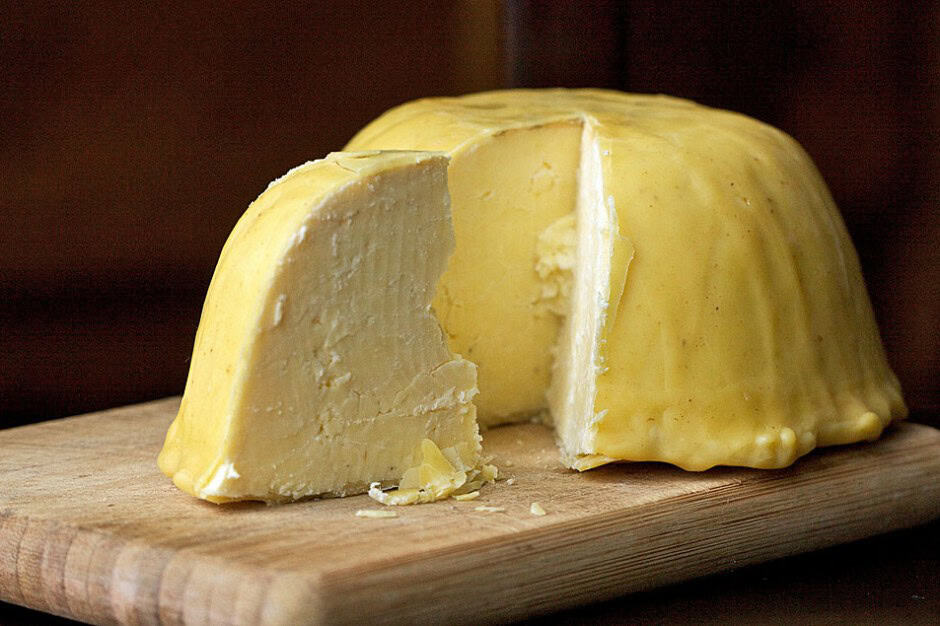

Image Source: barfblog.com/tags/raw-milk-cheese/
Despite the controversy, raw milk cheese just may be the perfect food. It offers pretty much all the nutrition you need, with full distribution of amino acids, balanced calories and a huge amount of probiotics which are so good for your body.
The word ‘probiotics’ itself actually means “for life”, which means we cannot sustain our lives without these vital allies. They are an extremely beneficial bacteria that we all have and need for our bowels and intestinal tracts to function smoothly, and so much more. It is said that raw milk cheeses have a wider diversity of bacteria, yeasts, and molds, which ultimately contribute to a healthy gut.
Raw milk cheese is not only good for us but it tastes incredibly delicious, with its richness and complexity of flavors. The best cheese starts with high-quality milk. To achieve this, it must come from healthy cows that feed on lush grass. When it comes to raw milk cheeses, the milk is superlative because the animals have been grazing on pasture.
Even though pasteurization heat-treats milk, which kills pathogens such as Listeria and E. Coli, Laws still stipulate that raw milk cheese in the U.S. must be aged for a minimum of 60 days, regardless of if it is produced domestically or imported from abroad.
The Power Of Probiotics

Image Source: chinesemedicinedoc.com/probiotics-strains-are-important/
Probiotics are proven to play an important role in maintaining healthy digestion and supporting a strong immune system. With the overuse of antibiotics, children often have compromised microbiomes and probiotics may be the key to restoring the healthy gut.
There are also studies that show that pregnant women who enjoy farmstead milk and cheese products throughout their term have children with fewer allergies, asthma and wheezing than those who do not enjoy these foods. Probiotics may also help decrease stress, prevent obesity and regulate weight. There are also studies that suggest that they also protect against respiratory infections.
So, with all these advantages to probiotics and raw milk cheese containing many, it is important to eat it, despite the controversy of raw milk cheese being bad for you. Raw milk cheese is also extremely delicious, so that alone is a plus.
The Best Low-Calorie Wine


Image Source: mohawkvalleywinery.com
Summer is closing in fast and we all want that ‘bikini body’… but we also love to drink wine. Usually losing weight involves completely ridding our lives of all alcoholic drinks. However, we all know that we can’t resist a delicious glass of wine after a long day or even just on a glorious sunny day. So, rather than trying to go cold turkey, why not try this perfect resolution of easing into summer with some low-calorie, weight-loss friendly wines?
Slim wine wines or skinny wines are definitely not the answer, you’d actually be surprised to know that there are plenty of ‘hidden’ low-calorie bottles that can be found on the shelf of your local wine shop. The two main things that contribute to wine being calorific are alcohol and sugar. With this, dry wines are the least calorific than those wines with residual sugar, and wines with lower alcohol content are also lower in calories which are why wine can be more diet-friendly than liquor-based drinks. The serving size may be larger, but wine is lower in alcohol than liquor, and most cocktails require mixers that add even more calories as well. An easy guideline would be to seek out bottles which are completely dry and contain and ABV of 12 percent or less. It doesn’t matter what type of mine, no option will be calorie free, the key is moderation.
For those sparkling wine lovers, you’ll be surprised to know that sparkling wine, in general, is the lowest calorie option for them all. Sparkling wine is usually lower in alcohol as they tend to be produced in cooler climates, and cooler climates generally mean lower-alcohol wines. Also, a lot of bottles have a sweetness level ‘key’ on the label. Lower dosage equals lower added sugar, so anything with the label of “brut nature,” “brut zero,” or “extra brut” is sure to be bone dry.
White wine lovers also don’t need to worry as white wine is the second lowest calorie wine available. They are definitely lower in alcohol than reds, and many of them fall under 12 percent ABV or less. Residual sugar, however, is something to watch for in white wines as many single-digit ABV bottles have a lot more residual sugar, which isn’t the greatest because sweet wines have around 30 more calories per serving than their dry counterparts.
The question you may be thinking right now is: does this mean that red wine drinkers need to drink something else altogether? Absolutely not. Although red wines tend to be fuller-bodied and have a higher ABV than white and sparkling wines, there are still healthy red wine options available. The best thing to do is look for bottles that are less than 13 percent ABV, the cooler climates offer the best options for this. The good thing about choosing red is that you don’t have to worry about sugar, as nearly all red wines are dry. Though, heavy red lovers may have to forgo their Merlots.. just while working on that summer body. A small sacrifice is much better than no wine at all though, that is for sure.
Calorie-Friendly Ideas
White Wines
Dry Riesling, Muscadet, and Picpoul.
Sparkling Wines
Cava, Champagne, and Crémant.
Red Wines
Schiava, Gamay, Barbera, and Pinot Noir.
Soul Food- Cheesy Mashed Potatoes
Mashed potatoes are the staple to any family get together. Perhaps you’re going through a hard time or are too busy to cook something huge; that’s where mashed potatoes come in handy, especially cheesy ones!

The specialty aligot dish will have you drooling. Aligot is mashed potatoes which are thickened with cheese and will lend a hand to being that little cushion of comfort during a hard time or will make a perfect dish to bring along to gatherings.
Ideally, to make aligot, you will need a ricer, but you could use a food processor. The only downside to using a food processor is that you may risk the potatoes ending up as an unpleasant gooey texture. Besides, there is nothing more satisfying than pushing down on the ricer and seeing the hot, tender potatoes run through the tiny holes being transformed into little noodles. Plus, you don’t have to worry about lumps!
Aligot is a delicacy from France and it is traditionally made with tomme fraîche or unripened Cantal, but both of those cheeses are difficult to find in the U.S. That isn’t the end of the world though, any cheese that melts will be perfect for the dish. Great Aligot, in particular, is made with fresh mozzarella, Comté, Emmental, and Gruyère. When it comes to potatoes, ratte potatoes can be a good use, but come with an expensive price tag as they’re a variety from France.
A good way to make Aligot is by boiling the potatoes whole and then peeling them while hot. Then, you push the potatoes through the ricer and then cover the potatoes in cold butter over the heat and then add some milk or cream, whisking it until it is airy and dreamy. Add the mix of the cheese and more milk and whip the potatoes with speed and consistency as you add the cheese, building up the stringiness as it melts. Stringiness is the whole point of Aligot because it takes on all the qualities of melted cheese but remains the intended mashed potatoes.
These mashed potatoes usually take around 20 minutes to cook, which can give you time to prepare the rest of the meal or crack open that bottle of wine you’ve been craving all day!
Here’s a delicious recipe for Aligot!
What You Need
4 large potatoes
1/2 cup heavy cream
1/4 cup milk
1 clove garlic, grated
1 cup grated cheese of your choice
Kosher salt
Freshly ground black pepper
What To Do
1.Cover the potatoes with cold water in a large pot. Bring to a boil, salt the water, and cook until the potatoes are fork tender. Drain, then peel.
2.Add the cream, milk, and garlic to the pot. Rice the potatoes into the mixture, and stir with a wooden spoon to combine. Add the cheese, salt, and pepper, and beat to combine. Serve and enjoy!
Ice Wine- Is It Worth The Buy?
Ice wine might be one of the sweetest mistakes nature has ever made. It is difficult to think how anyone would purposely go out to make ice wine because although it might look like it, ice wine is one of the hardest, tedious wines to produce. Just imagine being outside in sub-zero temperatures, in the dark, trying to harvest frozen grapes.

Image Source: winelifetoday.com
Ice wine is one of the wine treasures of the world, despite some claiming to hate it. It may have almost double the sweetness of your average soda, but once you taste a really decent ice wine, it’ll be hard not to love.
The History Of Ice Wine
The history of ice wine is that during a cold winter in Franken, Germany, in 1794, winemakers were forced to create a product from the grapes available for harvest. The result of this was wines that had a particularly high sugar content, along with amazing flavor. This technique then became popularized in Germany.
How Ice Wine Is Made
The secret to creating ice wine is by processing frozen grapes at around 20 degrees Fahrenheit. The frozen grapes are then transferred into a grape crusher and then into a grape press. Only around 10-20% of the liquid is used for the ice wine and it can take anywhere between 3-6 months for the fermentation process because the juice is so sweet. Once complete, the wines have around 10% ABV and a sweetness range of 160-220 g/L of RS.
The Grapes That Are Used To Produce Ice Wine
The best grapes for ice wine are the ones that grow well in cold climates. These grapes include Cabernet Franc, Merlot, Gewürztraminer, Riesling, Grüner Veltliner, Chenin Blanc, and Vidal Blanc. Cabernet Franc Ice Wines, while delicious, can be incredibly rare, unless you’re in Ontario, Canada, where it can be found relatively easily.
Real Ice Wine
Real ice wine requires a cold climate where the grapes are harvested frozen from the vine. Some wines may be labeled as ‘ice wine’ but the grapes are actually just commercially frozen. Fortunately, in the U.S., Germany, Canada, and Austria, dessert wines are not allowed to be labeled as ice wines if the grapes are commercially frozen. Also, a lot of products may be labeled as “iced wine” or ‘”dessert wine”, so be wary of what you’re picking up and be sure to read labels or look up the product to ensure a true ice wine.
Food Pairings With Iced Wine
Although ice wine is a dessert wine, you might want to pair it with somewhat subtle desserts that contain enough fat to balance the explosive fruity flavors and high sweetness. A few desserts that pair well with the ice wine are vanilla pound cakes, ice cream, cheesecake, and white chocolate mousse. Another great pairing for the more savory lover would be soft cheeses.
Ice Wine Typically Costs Over $30
The price of ice wine is so high primarily because of the cost of production. They are also sold in half bottles because it takes 4-5 times as many grapes to produce the wine. With this, the market for these wines is so small, that you can expect to find ice wines from the US around the $30 mark. If you see any for a lot cheaper, they are likely to be poor quality and/or commercially frozen.
Aging Of Ice Wine
A lot of people believe ice wines can only age around 10 years, but special varieties have proven to age much longer than that. This is all because of the wine’s acidity level and lack of volatile acidity. Wines with higher sugar content and high acidity are likely to age for 30-50 years. It is also inevitable that their taste profile over time will change and the wines will become darker in color and sweeter tasting.
The Perfect Wine For Every Beer Lover
If you are a beer lover and refuse to drink wine, you are totally missing out. It is understandable that beer and wine are two very different drinks- with beer being brewed all year-round with lots of different starches and wine being produced only once a year from different kinds of grapes. Beer is also seen as a more casual drink compared to wine.
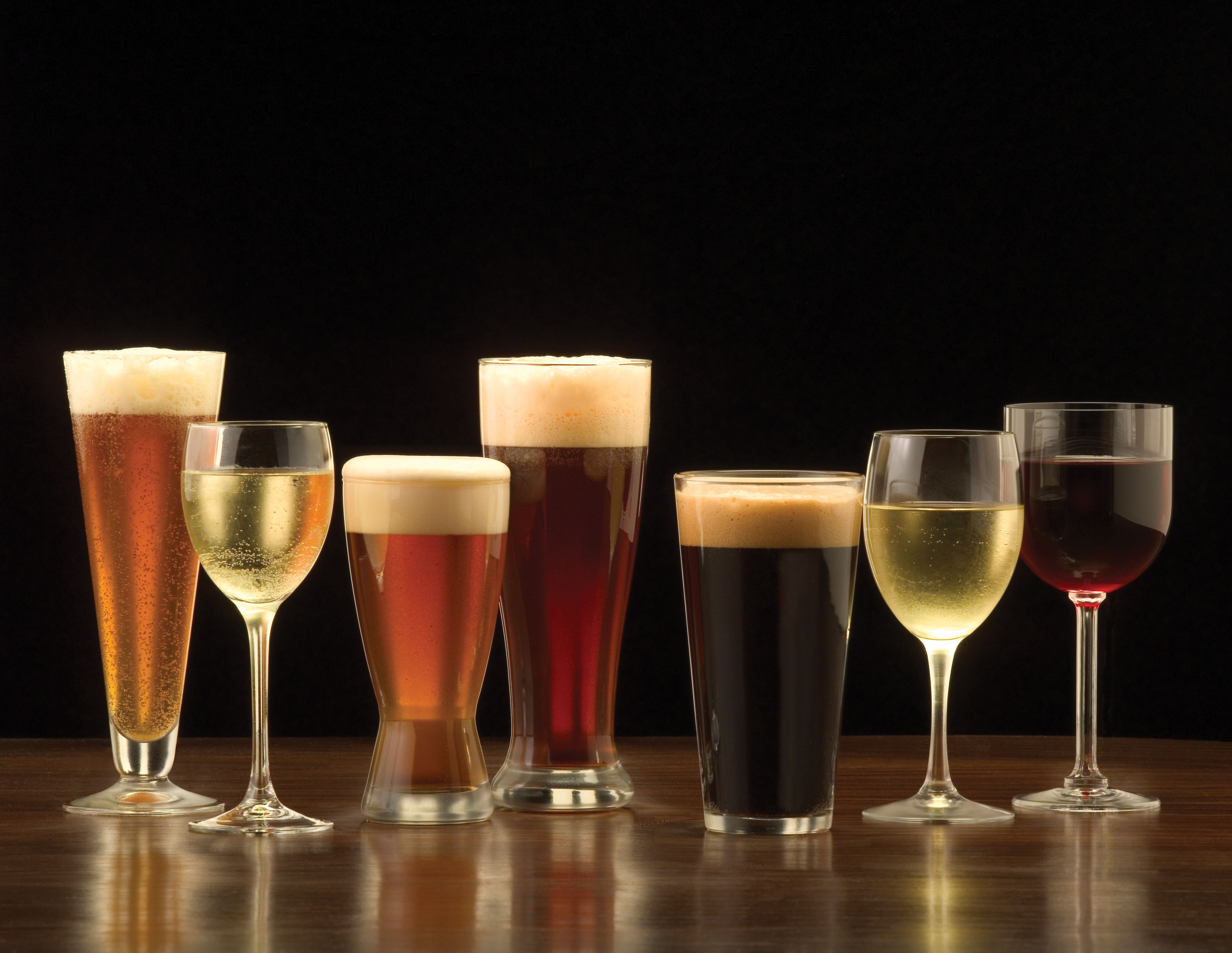
Image Source: crystalcoast.guide/beer-and-wine-found-in-crystal-coast/
However, just because beer and wine are completely different, it doesn’t mean you should limit yourself. And, while wine and beer are made in different ways, from different products, they still are both fermented, alcoholic drinks which can truly share flavor similarities.
If you are still in doubt, you won’t be after looking at these 6 popular styles of beer and their wine equivalents:
For Stout drinkers- Try Merlot
For those who drink stouts, generally enjoy the comforting richness of the beers roasted, malty flavors. They often give hints of chocolate, coffee, and even toffee. They are quite exceptional beers and tend to be less heavy and bitter than the average beers.
Red wine is definitely the way to go when pairing Stout with wine. Reds particularly in the region of Merlot, Malbec and Shiraz Triangle (all often confused with each other). These wines have a softer approach, with a richness of fruit, yet a balanced acidity that stout drinkers look for.
For the Pale Ale drinkers- Try Grüner Veltliner
For those who enjoy tasting the hops in their beer, but don’t want them dominating the flavor, pale ales are always preferable. Hops give a fresh greenness to the beer, being grassy and slightly bitter, but complimented by bright citrus at the same time.
The best match for this type of beer is Austria’s Grüner Veltliner wine, which has that same green quality as a pale ale. The best way to describe it is the flavor of chive alongside a bitter and spicy flavor like pepper or radish, all brought together with a citrus like lime or grapefruit.
For the Lager drinkers- Try Verdejo From Rueda
Larger is one of the most misconceived styles of beer there is, being thought as boring, unnotable and suitable for mindless drinking at bars or cookouts. The mass production of this style of beer really takes away how awesome Lager actually is, with its crisp, refreshing, savory taste.
Verdejo contains all the qualities that lager drinkers crave in an alcoholic beverage. Verdejo may seem simple at first, but it has hidden savory qualities of good lagers, with its clean drinkability and bright citrus flavors.
For Wheat beer drinkers- Try Albariño From Rias Baixas
Somehow, in a country such as America, who enjoy super bitter beers, have come to love wheat beer and it has come to be the most polarizing style of beer in America. Wheat beer is extremely thirst quenching and intensely fruity with orange and coriander flavors and close flavors of a traditional hefeweizen.
This fruit-driven beer is closely matched to the delicious Albariño From Rias Baixas because it is intensely fruity, with aromas of tropical fruit such as peach and meyer lemon, but with zippy lime flavors and lots of texture. Like wheat beer, the acidity removes any illusion of sweetness, leaving your mouth refreshed and ready for another sip.
For Sour beer drinkers- Try Loire Valley Whites
The popularity of sour beers has definitely grown over the years. Sour beers tend to be tart, earthy and noticeably high in acidity. This generally means the sour beer is inherently very wine-like. The good thing about this being a wine-like beer is there are plenty of high acidic, savory, white wines to choose from.
The Loire Valley selection of wine is mineral-driven, savory whites. For lovers of salty, tart beverages should definitely look to the Loire region of Muscadet near the ocean. For more ‘out there’ sour beer lovers, you should move inland, where Chenin Blanc has funky flavors of cheese rind, toasted nuts and much more.
For IPAs drinkers- Try Sancerre
While a lot of IPAs reside within the pale ale category, a lot of pale ales are less hoppy than IPAs. IPAs are definitely dominated by the flavor of hops, making it greatly bitter and green. You can definitely not mistake this beer with its bold flavor.
Sancerre has intense hop quality and is also citrus-driven in flavor, making it a perfect match to IPAs. Rather than a bell pepper green type flavor, Sancerre’s flavor is more like fresh cut grass or herbs like basil and parsley. With this wine also being acid-driven, the grapefruit and lemon citrus make Sancerre slightly bitter, but refreshing.
Is Cooking With Expensive Wine A Good Idea?
We all know the rule that when it comes to cooking with wine, there’s one for the dish, and two for the chef! (Am I right?!) Us wine lovers have also heard the true advice to not cook with a wine you wouldn’t drink, but then again… it can seem like such a waste cooking with an expensive wine, so let’s see if there is a happy medium.

Image Source: winecellarinternationalblog.com
Now, we all know about those “cooking wines” readily available at grocery stores, but you definitely wouldn’t want to drink those from the bottle. An excellent alternative can be found at any wine store- a value driven alternative, at that. It doesn’t matter if the recipe calls for red or white wine, the key things to look for are light- to medium- bodied, fruity, acid-driven wines; and to avoid heavy wines with lots of tannin or oak because they will clash too much with the flavors of most dishes. The best way to tell if a wine is any good other than those tips will be the price. The sweet spot lies between $10 to $15 dollar, ensuring both value and quality.
What are we waiting for? Let’s throw on our aprons and get cooking with these favorites!
Domaine La Montagnette ‘Sinargues’ Côtes Du Rhône, Rhône Valley, France

Image Source: shoptipsy.com/shop/domaine-la-montagnette-cotes-du-rhone-villages-signargues
For those who enjoy full-bodied wines will enjoy this wine especially. Similar to wines such as Cabernet Sauvignon, it contains familiar grapes for a delicious cooking or drinking wine (or both!) You must take caution and avoid picking up tannic wines as they can be quite bitter when added to a dish. This wine remains low in tannin, but has a darker structure, with blackberry, black cherry, and wet-earth flavor set.
NV Castillo Peredlada ‘Blanc Pescador’, Catalunya, Spain

Image Source: wine-searcher.com/find/pescador+blanc+emporda+catalonia+spain
Not only is this a popular drinking wine throughout Spain, it goes perfectly with practically any dish. With blends of Macabeo, Xarello, and Parellada, this wine is close to sparkling, making it similar to Cava. Don’t worry though, this won’t affect your dish because the bubbles flatten as the wine gets cooked, but drinking wise, it will definitely perk up the chef! This perfect sous-chef wine is clean and fresh, offering lemony notes with a touch of rocky minerality.
Esporao ‘Monte Velho’ Branco, Alentejo, Portugal

Image Source: vinha.co.uk/wine/white-wine-monte-velho-esporao-2015-75cl-alentejo-4480/
Countries that are not known well for winemaking provide excellent sources of cooking wine because they typically offer better quality for a lesser price. This wine offers a delicious fruity taste, without a bit of body without the oak. It’s a perfect blend of Roupeiro, Antao Vaz and Perrum is a Portuguese staple. It is a richer wine but still retains its freshness.
Leyda ‘Classic’ Pinot Noir, Leyda Valley, Chile

Image Source: thewinebowgroup.com/our-brands/leyda/leyda-pinot-noir/
Pinot Noir is the perfect drinking wine, but it can also be an amazing cooking wine. It comes in lots of different forms and prices. There’s definitely no reason to waste $50 glasses of wine when a lesser-known Pinot Noir producer exists in Chile, offering a decent bottle for a good price. The Chilean producer specializes in a balance of fruity flavors with an affordable price tag.
Le Cantine Di Indie ‘Polpo Rosso’, Sicily, Italy

Image Source: wineandgoodfood.com/2015/03/04/le-cantine-di-indie-polpo-rosso-2013/
Most dishes will want a red or a white wine, but sometimes a rose is preferred. This light red wine is a ‘go to’ when it comes to those times. It is organically farmed in Sicily, made from Nerello Mascalese. Its fresh flavors, raspberry, and red cherry is the fruity delight that is craved and will pop even more in cooler temperatures, so feel free to chill it before use!
Weingut Josef Leitz ‘Leitz Out’, Riesling, Rheingau, Germany


